Wielkopolska Uprising Museum
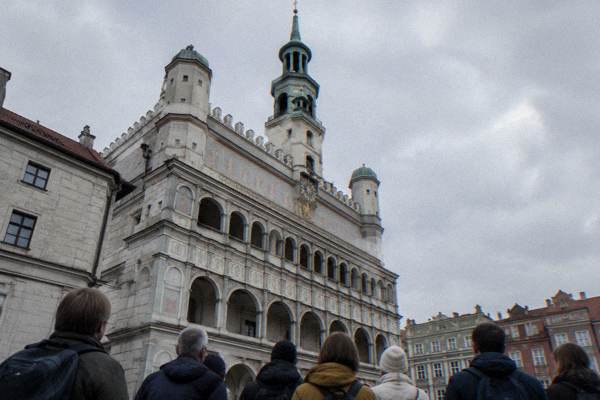
The Museum of the Wielkopolska Uprising 1918-1919 sits in the Odwach, the former guardhouse at Stary Rynek 3 on Poznan's Old Market Square in western Poland, and tells the story of the regional uprising that broke out in Poznan in December 1918.
Short answer
The Museum of the Wielkopolska Uprising 1918-1919 occupies the Odwach at Stary Rynek 3 on Poznan's Old Market Square. Admission is 15 zl normal and 10 zl reduced, with free entry on Tuesdays. From November to February it opens 10:00-16:00 Tuesday to Sunday and closes on Mondays.
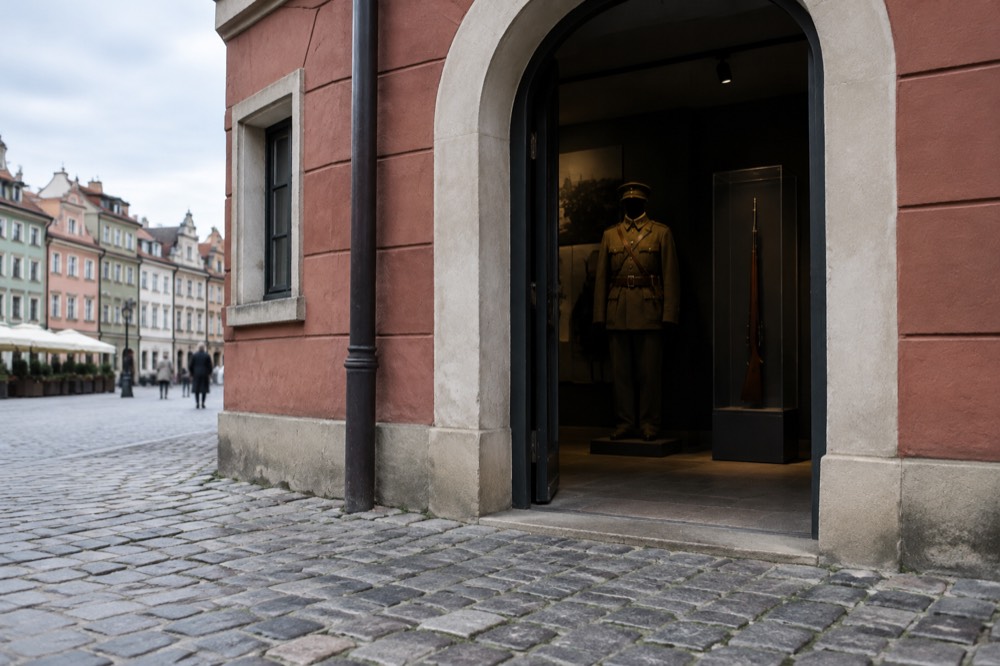
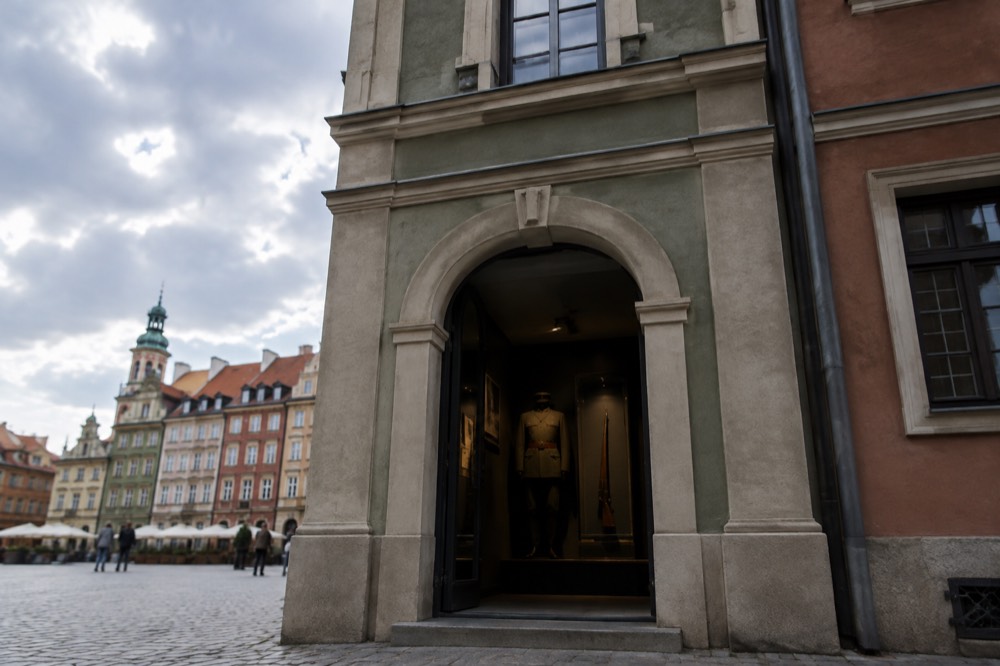
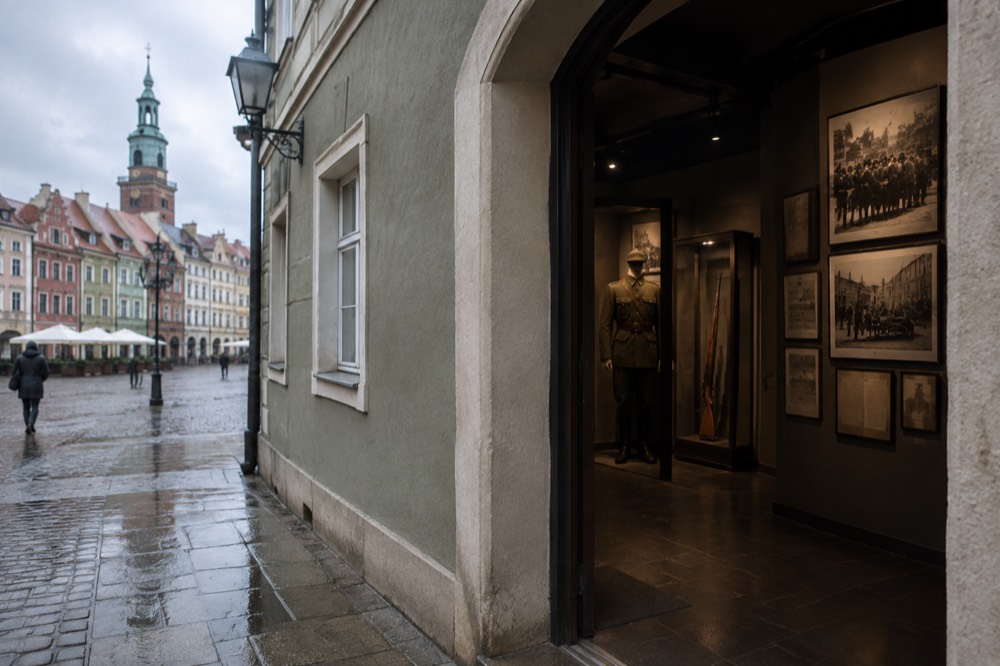
It occupies the Odwach, the small classical guardhouse at Stary Rynek 3, a building that once served the garrison stationed on the square and that today belongs to the Museum of the Independence Traditions of Wielkopolska network. The museum's subject is the uprising that began in Poznan on 27 December 1918 and spread across the region, one of the most successful Polish uprisings, and its galleries trace that story through weapons, uniforms, documents and photographs.
For visitors planning a day around the Old Market Square, the museum is one of several small branches within a two-minute walk of one another, alongside the Greater Poland Military Museum, the Museum of Musical Instruments and the Town Hall itself. This guide sets out what the museum covers, what the official listings say about tickets and opening hours, how the square's other museums compare, and how the uprising story connects to other sites in and around the city. Where a detail is not published by the museum network, this page says so rather than guessing.
Where Is The Wielkopolska Uprising Museum In Poznan?
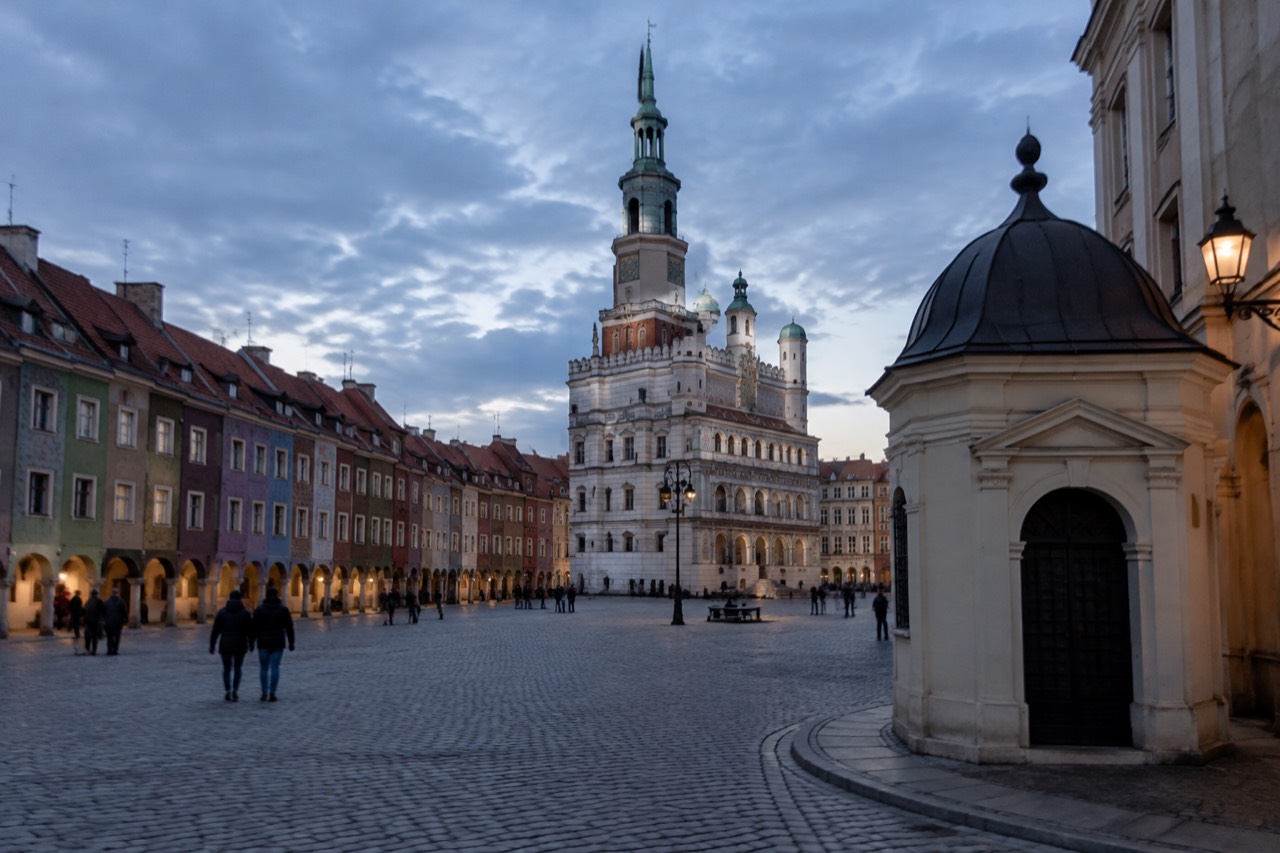
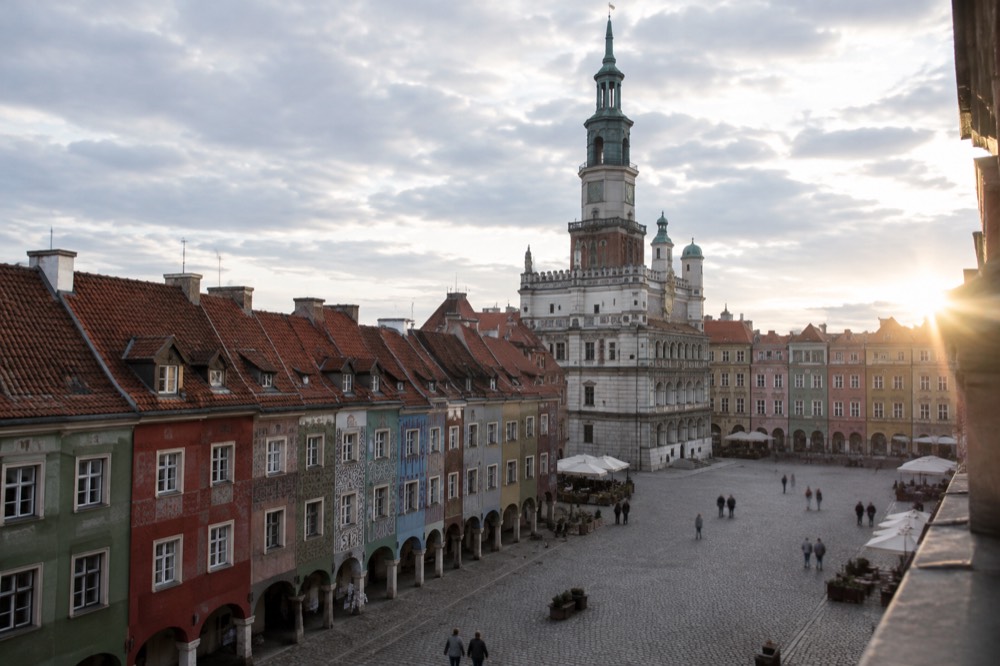
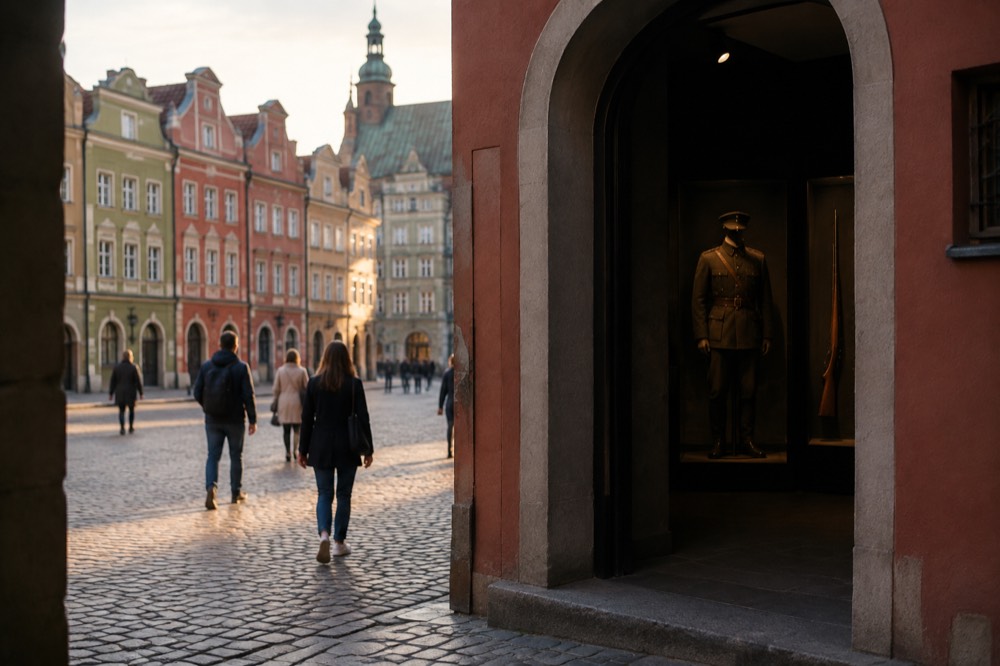
The museum stands at Stary Rynek 3, the Odwach guardhouse on the Old Market Square in the centre of Poznan, the capital of the Wielkopolskie voivodeship in western Poland. The square is the city's historic heart, and the Odwach sits at its eastern side, a short walk from the Town Hall and the fountains, in a district that also holds the Croissant Museum and several other museum branches.
The Old Market Square is the natural anchor for a first visit to Poznan, and this museum is one of the easiest to fold into a walking route because it sits directly on the square itself. The address is Stary Rynek 3, and the building is recognisable as a compact, classical structure rather than one of the tall merchants' houses that ring the square. The city's statistical office records the population of Poznan as 534,239, and the Old Market Square district functions as the tourist centre for all of them and for visitors alike.
Want the square and its stories covered on foot? Book an old town walking tour here.
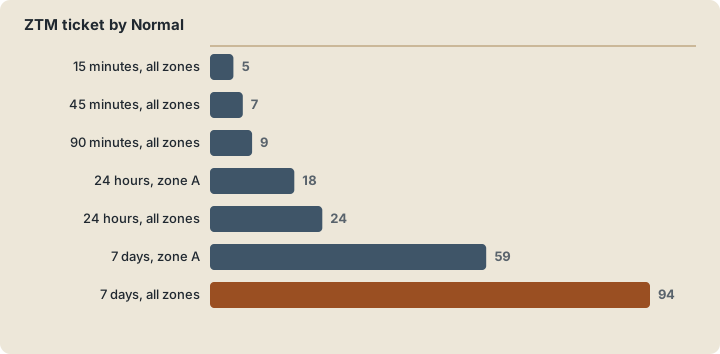
Getting there is simple on foot or by tram. The ZTM network's timed tickets are valid in all zones with transfers allowed: 5 zl for up to 15 minutes, 7 zl for up to 45 minutes and 9 zl for up to 90 minutes. A 24-hour ticket for zone A costs 18 zl, or 24 zl for all zones. Contactless bank-card payment on board is not available yet; the PEKA modernisation contract signed in 2026 is expected to bring card payment from 2028, so for now tickets come from machines, apps, the PEKA card or a bearer card costing 27 zl, of which 12 zl is a refundable deposit. More detail is in the Poznan public transport guide.
| ZTM ticket | Normal | Reduced |
|---|---|---|
| 15 minutes, all zones | 5 zl | 2.50 zl |
| 45 minutes, all zones | 7 zl | 3.50 zl |
| 90 minutes, all zones | 9 zl | 4.50 zl |
| 24 hours, zone A | 18 zl | 9 zl |
| 24 hours, all zones | 24 zl | 12 zl |
| 7 days, zone A | 59 zl | 29.50 zl |
| 7 days, all zones | 94 zl | 47 zl |
What Does The Wielkopolska Uprising Museum Cover?
The museum presents the Wielkopolska Uprising of 1918-1919, the regional rising that broke out in Poznan on 27 December 1918 and continued into 1919, through collections of weapons, uniforms, badges, documents, photographs and press of the period held in the Odwach at Stary Rynek 3. The displays sit in a compact building, so a visit is short and focused rather than an all-day commitment.
The uprising began as a reaction to Polish demands in a region then under German rule, sparked in Poznan itself on 27 December 1918, and fighting spread through Wielkopolska over the following weeks. The Odwach, the guardhouse the museum occupies, is itself a piece of that military past: it was built for the garrison that policed the square, which makes the fit between building and subject unusually close.
The museum is a branch of the Museum of the Independence Traditions of Wielkopolska, the same network that runs the Museum of Armaments in Citadel Park and the Museum of the "Poznan" Army. That family connection matters for planning: the network sells combined tickets across some of its branches, and the shared Tuesday free-admission day applies at the Armaments Museum and the Museum of the "Poznan" Army as well. The independence strand of Poznan's history also continues after the uprising period: the June 1956 monument near the Imperial Castle commemorates the workers' protests of June 1956, and the June 1956 monument page covers it, though the museum dedicated to those events currently has no published visiting details to print here.
For visitors who want a guided layer over this part of the city's history, a private tour is the main bookable option in English, and the related tour on this site is the Fort VII Museum of Martyrdom private guided tour, which covers the city's Second World War story at a fort on the western edge of town. Check availability if that side of the story appeals. Self-guided visitors can also pair the museum with an audio tour of Poznan for the walk between sites.
How Much Does The Wielkopolska Uprising Museum Cost, And When Is It Open?
The museum network's price list gives admission at 15 zl normal and 10 zl reduced, with Tuesday as the free-admission day. The published hours cover the November to February season, when the museum opens Tuesday to Sunday 10:00-16:00 and closes on Mondays; for the rest of the year the network's own hours page is the place to confirm before a visit.
Those figures come from the Museum of the Independence Traditions network's price and hours pages, which list the Odwach branch at Stary Rynek 3 among their branches. The free day is a network-wide pattern rather than a one-off promotion: Tuesday is free at the National Museum's Poznan branches too, including the Royal Castle and the museums on the Old Market Square, while Sunday is a free day only at the Museum of the Origins of the Polish State in Gniezno. The practical takeaway for a budget-conscious visitor is that a Tuesday in Poznan can be unusually cheap, and the free things to do in Poznan guide builds on the same idea.
One Poznan card is worth weighing against individual tickets. The Poznan City Card costs 65 zl for 24 hours with transport or 59 zl without, and gives free entry to most of the city's museums, though some partners, such as the Enigma Cipher Centre and Porta Posnania, give a discounted price rather than free entry. Whether the card beats single tickets depends on how many branches and tram rides a day includes; the Poznan City Card guide works through the arithmetic.
| Item | Price |
|---|---|
| Normal admission | 15 zl |
| Reduced admission | 10 zl |
| Free day | Tuesday |
| Nov-Feb hours | Tue-Sun 10:00-16:00 |
| Monday | Closed |
| Address | Stary Rynek 3, Poznan |
How Does It Compare With The Other Museums On The Old Market Square?
The Odwach branch is the cheapest-priced of the four museum stops on or beside the square, at 15 zl normal and 10 zl reduced, matching the Greater Poland Military Museum and the Museum of Musical Instruments, all with free Tuesdays, while the Town Hall museum interior is closed entirely, with every weekday listed as closed on the official visit page and no reopening date published.
That last point catches out a lot of visitors. The Town Hall, Stary Rynek 1, has housed the Museum of the History of the City of Poznan since 1954, but its interior is closed for renovation and the National Museum's own visit page lists no reopening date, so a plan built around going inside it will fail. The facade, the square and the famous goats are separate from the museum works, though whether the goats appear at noon and 3 pm on any given day during the works is not officially confirmed, so check on the day rather than promising yourself the show. The full background is on the Town Hall and goats page.
| Museum | Address | Hours (published) | Normal / reduced |
|---|---|---|---|
| Museum of the Wielkopolska Uprising 1918-1919 | Stary Rynek 3 | Nov-Feb Tue-Sun 10:00-16:00 | 15 / 10 zl |
| Greater Poland Military Museum | Stary Rynek 9 | Tue-Sun 10:00-17:00 | 15 / 10 zl |
| Museum of Musical Instruments | Stary Rynek 45 | Tue-Wed 10:00-16:00, Thu 10:00-18:00, Fri 10:00-20:00, Sat-Sun 10:00-17:00 | 15 / 10 zl |
| Town Hall (History of the City of Poznan) | Stary Rynek 1 | Interior closed, no reopening date | 20 / 13 zl when open |
A sensible route strings the open branches together. Start with the Odwach and the Military Museum for the martial history, then the Museum of Musical Instruments for something lighter, and finish with the Croissant Museum, whose English "Croissant and goat show" runs at 14:00 daily in July and August and on weekends all year, with other days shown in its booking calendar. The Croissant Museum page has the details. All of this sits within a couple of minutes' walk, which is why the square rewards a full morning.
What Was The Wielkopolska Uprising Of 1918-1919?
The Wielkopolska Uprising was an armed regional rising that broke out in Poznan on 27 December 1918 and continued into 1919, in which Polish forces took control of most of the Wielkopolska region, and it is commemorated today in the museum's own name, the Museum of the Wielkopolska Uprising 1918-1919, at Stary Rynek 3 in Poznan.
The rising belongs to the wider reshaping of Central Europe at the end of the First World War, when Polish statehood was being re-established and borders were being fought over on the ground. Unlike the longer and bloodier uprisings in other regions, the Wielkopolska rising achieved most of its aims within weeks, and the region it secured became part of the restored Polish state. The rest of the planning pages sit on Poznan Travel Guide.
The uprising is one thread in a much longer independence tradition that Poznan commemorates across several sites. Marcin tells the interwar story of the three Polish codebreakers, Marian Rejewski, Jerzy Rozycki and Henryk Zygalski. Visitors who want the full arc can move from the Odwach to the Enigma Cipher Centre and then to the Imperial Castle district, all within a short tram ride or a walk along Sw. Marcin.
| Site | Theme | Poznan connection |
|---|---|---|
| Odwach, Stary Rynek 3 | Wielkopolska Uprising 1918-1919 | Rising began in Poznan, 27 Dec 1918 |
| Enigma Cipher Centre, Sw. Marcin 78 | Interwar codebreaking | Rejewski, Rozycki and Zygalski |
| June 1956 monument | Postwar protests | Workers' protests in Poznan, June 1956 |
| Museum of Armaments, Citadel Park | Military history | Branch of the same museum network |
| Fort VII | Second World War | Fort on the city's western edge |
Is The Museum Worth Visiting With Kids Or In A Short Stay?
For most short stays the museum works best as a 30-to-60-minute stop inside a morning on the Old Market Square, because the Odwach is a compact single-subject branch at 15 zl normal, free on Tuesdays, rather than a destination in its own right; families with children interested in uniforms and weapons get the most from it, and toddlers will be happier at the free-entry Old Zoo or the New Zoo.
The comparison matters because Poznan spreads its family appeal across a few big sites. The Old Zoo on ul. Zwierzyniecka is free to enter, and the New Zoo is ticketed at 45 zl weekdays and 55 zl on Saturdays and holidays from March to October, dropping to 20 zl for everyone from November to the end of February. The Poznan Zoo page and the Poznan with kids guide cover those options in full. Against that, the Odwach is a quiet, text-and-artefact museum, best for children old enough to be curious about bayonets and banners.

For a one-day itinerary the museum earns its slot easily. A realistic day pairs the square's museums in the morning, the cathedral island of Ostrow Tumski after lunch, and either Lake Malta or the Citadel in the late afternoon, which is roughly the shape of the one day in Poznan itinerary. Visitors with two or three days can add a day trip: Gniezno, whose Museum of the Origins of the Polish State is open daily 9:00-16:00 from October to April with free Sunday admission, is about 25 to 45 minutes away by train, and the full-day Gniezno and Biskupin excursion below bundles the region's early-history sites into one booked trip.
What Else Should You See Near The Odwach?
Within a ten-minute walk of Stary Rynek 3 visitors reach the Royal Castle museum on Gora Przemysla, the Fara parish church on Golebia, Freedom Square and the start of Sw. Marcin with the Imperial Castle and the Enigma Cipher Centre, plus Ostrow Tumski with the cathedral and Porta Posnania across the Warta, so the Odwach sits at the centre of Poznan's densest sightseeing cluster.
Each of those neighbours has its own profile. The Royal Castle, Gora Przemysla 1, opens Tuesday to Sunday with hours that stretch to 20:00 on Fridays, charges 20 zl normal and 13 zl reduced, is free on Tuesdays, and is currently showing two temporary exhibitions: "Anna Krzymanska. Medale i plakiety" from 25 September 2026 to 10 January 2027, and "Japonska Fala", a display of ukiyo-e woodblock prints, from 1 September to 15 November 2026. The Fara, on ul. Golebia 1, is open daily 6:00 to 19:30 with free individual visits outside Mass times. The Royal Castle page and the Fara church page give the full pictures.

Across the river, Ostrow Tumski is the city's oldest sacred ensemble. The cathedral's crypts hold the tombs of Mieszko I and Boleslaw Chrobry and a 10th-century baptismal bowl, and the crypts and tower open to tourists from 1 March to 15 November, weekdays 9:00-16:00 and Sundays 14:00-18:00, with crypt tickets at 10 zl and tower tickets at 14 zl. Porta Posnania, the interpretation centre at ul. Gdanska 2, is closed on Mondays and charges 35 zl normal and 29 zl reduced. The Poznan Cathedral page and the Porta Posnania page cover both in detail.
| Site | Walk from the Odwach | Admission (normal) |
|---|---|---|
| Royal Castle, Gora Przemysla 1 | About 5 minutes | 20 zl, free Tuesday |
| Fara, ul. Golebia 1 | About 5 minutes | Free outside Mass |
| Freedom Square | About 8 minutes | Open space |
| Imperial Castle, Sw. Marcin 80/82 | About 15 minutes | 10 zl with map, 20 zl with audio guide |
| Cathedral island sites | Short tram plus walk | Crypts 10 zl, tower 14 zl |
| Day or season | Example | Note |
|---|---|---|
| Tuesday | Museums free | National Museum and Independence Museum branches |
| Sunday | Gniezno free | Museum of the Origins of the Polish State |
| Any day | Old Zoo | Free entry, open daily |
| Winter | New Zoo | 20 zl for everyone, November to February |
Common Questions About The Wielkopolska Uprising Museum
Where is the Wielkopolska Uprising Museum in Poznan?
The museum occupies the Odwach, the former guardhouse at Stary Rynek 3, on the Old Market Square in the centre of Poznan, the capital of the Wielkopolskie voivodeship in western Poland.
How much are tickets to the Wielkopolska Uprising Museum?
The museum network's price list gives 15 zl for a normal ticket and 10 zl reduced, with Tuesday as the free-admission day across the network's branches.
When is the Wielkopolska Uprising Museum open?
From November to February the museum opens Tuesday to Sunday from 10:00 to 16:00 and is closed on Mondays. For the rest of the year, confirm on the museum network's own hours page before travelling.
How long does a visit take?
The Odwach is a compact single-subject branch, so most visits run well under an hour, which makes it easy to combine with the Greater Poland Military Museum and the Museum of Musical Instruments on the same square.
What was the Wielkopolska Uprising?
It was an armed regional rising that broke out in Poznan on 27 December 1918 and continued into 1919, in which Polish forces took control of most of the Wielkopolska region before the post-war settlement was finalised.
Can you visit the Town Hall museum on the same square?
No. The Town Hall's museum interior is closed for renovation, the National Museum's visit page lists every weekday as closed, and no reopening date has been published. The square itself, the facade and the goats at noon and 3 pm remain the draw.
Whether you come for the uprising story alone or as part of a full circuit of the Old Market Square's museums, the Odwach at Stary Rynek 3 is a small, well-placed branch that repays the half hour it asks for, especially on a free Tuesday when the whole square's museum row opens its doors at no charge.