What Is The Most Famous Beer In Poland?
The honest answer to Poland's most famous beer, told from Poznan, the city that gave the country Lech, plus where to drink it and how beer fits into a visit to western Poland.
Poland drinks lager, and Poznan, the capital of the Wielkopolskie voivodeship in western Poland, is one of the places that taught the country how. The city on the Warta river is the home of Lech, the beer that carries Poznan's name into every corner shop and stadium in the country, and asking which beer is the most famous in Poland is partly asking which of a handful of pale lagers has done that job best. This page works through the shortlist, explains why the honest answer shifts depending on who you ask, and shows where beer fits into a few days in Poznan itself.

What Is The Most Famous Beer In Poland?
The most defensible answer is Lech for Poles and Tyskie for the world: Lech, brewed in Poznan, is the beer most tightly bound to a Polish city's identity, while Tyskie is the brand most often cited abroad as Poland's flagship lager, with Zywiec as the historic third name on every shortlist. There is no single official title, and any list of Poland's famous beers starts with these three pale lagers.
The reason there is no clean winner is that "famous" splits into two questions. Sales and shelf presence inside Poland point to the big national lagers, the ones you see in every bar from Gdansk to Krakow: Lech, Tyskie, Zubr, Warka and Zywiec, all owned today by two large international brewing groups. Recognition outside Poland points to the brands with the longest export history, and there Tyskie and Zywiec lead the way, with Tyskie's international awards and Zywiec's longevity both part of the story. None of these claims needs a number attached: no sales figure for any brand appears in this desk's verified pack, so none is printed here.
Lech belongs on the list for a reason no other Polish beer can copy. It takes its name from Poznan itself, via the legendary founder Lech, and the city's football club, Lech Poznan, carries the same name onto pitches across Europe. A visitor standing on the Old Market Square in Poznan is standing in the beer's home city, which is why this site treats Lech as the local answer even while admitting Tyskie's claim to the international one. The distinction is honest, and it is the one brewers themselves would recognise.
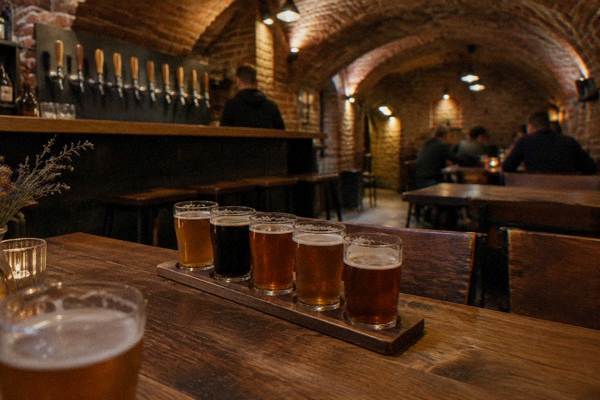
For beer travellers, the practical answer is that Polish lager is a style, not a single bottle. The national palate runs to pale, clean, well-carbonated lagers served cold, and the differences between the famous brands are smaller than the differences between breweries' craft lines, which have grown quickly in Poznan and elsewhere. If you want to taste what Poland actually drinks, order the local lager on tap wherever you are. In Poznan, that usually means Lech.
Why Is Lech So Strongly Linked To Poznan?
Lech is named after the legendary founder of the Polish state and is brewed in Poznan, and the city's best-known football club, Lech Poznan, carries the same name, so in Poland's beer geography the brand and the city are inseparable in a way no other large lager can match. Tyskie belongs to Tychy, Zywiec to Zywiec; Lech belongs to Poznan.
That bond shows up all over a visit. The football club's fans are famous for turning to face their own supporters and bouncing in unison, a celebration so distinctive that clubs elsewhere in Europe have copied it, and match days in Poznan are soaked in the club's, and the beer's, identity. Even visitors with no interest in football will notice the name on shirts, pub signs and supermarket shelves within an hour of arriving. The question "why are they called Lech Poznan?" has its own answer page on this site, and it runs through the same founding legend.
One thing this page will not do is send you on a brewery tour, because the Lech Visitors Centre's current public tour schedule could not be verified on an official page: the operator's site was unreachable when this desk checked, and no 2026 schedule was found. Any guide promising specific days and prices for that tour is printing what it cannot source. If a brewery visit matters to you, confirm directly with the operator before planning a day around it, and treat anything a third-party page says about it as unconfirmed.
What is verifiable is the city's broader beer culture. Poznan's craft beer scene has its own guide on this site, covering the smaller breweries and pubs that have given the city a second, more varied beer identity alongside the big lager. Drinking your way between the two, one national and one local, is a fair summary of what beer in Poznan is today.
How Do You Order And Drink Beer Like A Local In Poznan?
Order at the bar, pay in zloty (PLN, the Polish currency; Poland is in the EU but not in the euro area), and expect pale lager on tap by the half-litre, with table service common in proper pubs and a small tipping culture in which rounding up is welcome but not obligatory; beer is drunk socially and slowly, and public drinking on the street is restricted.
Money first, because it catches visitors out: prices in Poznan are in zloty, not euros, and cards are widely accepted in pubs, though a market stall or a small bar may prefer cash. How much a beer actually costs is a question with its own page, how much a beer in Poznan costs, and this desk will not quote a figure the verified pack does not carry for a specific pint.
Poland's rules on drinking outside are stricter than many visitors expect. Drinking alcohol in public places, on the street, in parks and on the Old Market Square itself, is generally prohibited, with narrowly defined exceptions the city may grant for licensed areas, and that matters in a city whose square invites lingering. The details, and the exceptions, are covered in can you drink a beer in public in Poland. The short version: take the second beer to a table inside the pub.
Poznan pairs its beer with its own food tradition, and the two famous local items are the St Martin's croissant, a crescent registered in the EU as a Protected Geographical Indication by Commission Regulation (EC) No 1070/2008, and pyry z gzikiem, potatoes with fresh cheese. Both sit beside lager more naturally than any imported bar snack, and both have pages of their own: start with the most famous Polish pastries if your sweet tooth is doing the planning.
What Polish Beer Styles Should You Actually Try?
Try the standard Polish pale lager first, because it is what the country drinks, then branch into the stronger seasonal brews Poland has long made, the grzane piwo (hot beer with honey and spices) that appears in winter, and the unpasteurised and craft lagers that Poznan's newer breweries pour, in that order of ambition.
The classic route through Polish beer is short. Start with any of the big national pale lagers on tap; they define the style. Move to a regional or craft lager, which Poznan's own breweries pour fresh; the difference is freshness rather than strength. If you visit between late November and early January, when the Betlejem Poznanskie Christmas markets run (the 2026/27 edition opens 14 November 2026 and runs to 6 January 2027, with the Old Market Square site from 21 November), order the hot beer: warmed lager with honey and spices is the standard winter drink at the stalls, and it is a style rarely encountered elsewhere.
A useful way to frame the choice:
| What you order | What it is | When it fits |
|---|---|---|
| National pale lager on tap | The everyday Polish beer, cold and carbonated | Any evening, any pub, first round |
| Regional and craft lager | Unpasteurised or small-batch versions of the same style | Second round, when you want freshness |
| Grzane piwo (hot beer) | Warmed lager with honey and spices | Christmas market season, cold nights |
| Dark and bock-style beers | Maltier, stronger Polish winter tradition | Slow evenings, colder months |
None of this requires expertise. Polish pub culture is unpretentious, and a visitor who orders the local tap lager and asks what the bar also pours from smaller breweries will get an education for the price of a second round. To go deeper with a guide who arranges the route, the Poznan beer tasting experience pairs several Polish beers with the story behind each, and the operator's live listing carries the current price and availability: Check availability.

Where Does Beer Fit Into A Visit To Poznan?
Beer fits into a Poznan trip as an evening activity built around the Old Market Square and the Jezyce district's bar streets, after days spent on the square itself, Ostrow Tumski cathedral island and the museums, with a tasting tour as the one booking that turns an evening of drinking into a guided tour of Polish brewing.
A typical first day is a walking loop: the Old Market Square and the Town Hall facade, where the famous goats appear on the clock at noon and, more recently, at 3 pm, then across to Ostrow Tumski for the cathedral and the Porta Posnania centre, whose own page lists Tuesday to Friday 9:00-18:00 and weekends 10:00-19:00, closed Mondays. When the museums close, the evening belongs to the pubs, and Poznan's drinking geography is compact enough that nothing needs a car.
Two neighbourhoods matter for beer. The streets around the Old Market Square hold the tourist-facing cellars and terraces, convenient and lively. Jezyce, west of the centre around its own small market square, holds the more local scene, and its market hall trades Monday to Saturday 6:00-20:00, which makes it a daytime stop before an evening in the district's bars. The Jezyce guide covers the district in full.
Poznan's wider food reputation backs the beer up. The Michelin Guide Poland 2026 lists 25 restaurants from Poznan and its surroundings, with Muga holding one Michelin star and Bib Gourmands for Fromazeria, POSTO, SPOT., TU. REStAURANT and newcomer Farmer & Sons, so a beer evening can follow a genuinely serious dinner. For sizing the trip itself, how many days in Poznan is enough is the companion page.
For a sense of what the year in Poznan holds beyond the glass, this is also a fair-events city: Poznan Game Arena runs 23 to 25 October 2026 at the MTP grounds, and the Christmas markets open in mid-November, both of which pull visitors who then find the pubs.
Common Questions About Polish Beer
What is the most famous beer in Poland?
There is no official title. The shortlist is Lech, Tyskie and Zywiec: Lech is Poznan's own and the strongest city-brand link, Tyskie is the name most often cited internationally, and Zywiec is the historic third. All three are pale lagers.
Is Lech brewed in Poznan?
Yes, Lech is the Poznan brewery's beer and takes its name from the legendary founder associated with the Polish state, the same name carried by the city's football club, Lech Poznan.
Can you tour the Lech brewery in Poznan?
This desk could not verify a public tour schedule for the Lech Visitors Centre on an official page, so no days or prices are given here. Confirm any brewery tour directly with the operator before planning around it.
Do Poles drink beer warm or cold?
Cold. The standard Polish beer is a pale lager served well chilled, except for grzane piwo, the hot honey-and-spice beer sold in winter, especially at Christmas markets.
What should first-time visitors to Poznan know about beer?
Order the local tap lager, pay in zloty, keep drinking inside licensed premises rather than on the street, and pair the beer with local food such as pyry z gzikiem or a St Martin's croissant, a protected regional specialty.
The short answer stands: Lech is the most famous beer in Poznan and a fair national answer, Tyskie is the strongest claim abroad, and the best way to decide is to order both where they are poured best, which is in a pub on or near the Old Market Square. For more on the city behind the beer, start with what Poznan is famous for, or let Poznan Travel Guide plan the whole visit.