Is There A US Military Base In Poznań, Poland?
No permanent US military base stands in Poznan. Here is what the city's military landscape actually looks like, which forts and museums you can visit, and what American visitors should know before travelling.
Poznan sits on the Warta river in western Poland, the capital of the Wielkopolskie voivodeship, a city of 534,239 residents according to the Statistical Office in Poznan. It is a university and trade-fair city with a deep military past, and that combination is exactly why the question about an American base comes up so often. People see fortress walls, hear about NATO-era Poland and assume a US installation must sit somewhere behind the ramparts. The short answer is that it does not, and the longer answer is more interesting than the assumption.

Is There A US Military Base In Poznań, Poland?
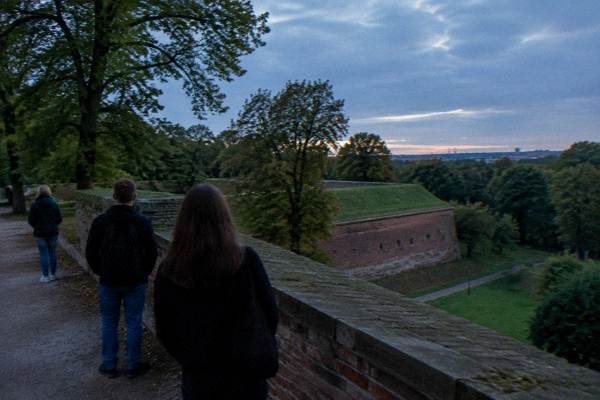
No permanent United States military base stands in Poznan, the capital of the Wielkopolskie voivodeship in western Poland. The city's visible military landmarks are Polish and historical rather than American: the Citadel, a relic of a 19th-century fortress that the city portal describes as the largest artillery fort in Europe at the time, is today the largest park in Poznan, and the military collections open to visitors belong to Polish museum networks, not to any foreign installation.
That framing matters, because the question usually arrives from two directions. Some travellers are curious for security reasons, and some are curious because military history is why they travel at all. Both groups land in the same place: Poznan's military identity is written in its own fortifications, its museums and its wartime memorials.
What the city offers instead of a base is a layered record. The 19th-century fortress ring survives in the Citadel park, a 15-minute walk from the Old Market Square according to the city's own tourism portal. Fort VII, on the western edge of the city, houses the Museum of Martyrdom and is the subject of a dedicated guided tour. The square itself carries the Museum of the Wielkopolska Uprising 1918-1919 in the Odwach building and the Greater Poland Military Museum at Stary Rynek 9. None of these are operational installations; they are branches of Polish state museum networks, listed with ordinary opening hours and ordinary admission prices.
For readers planning a trip around the city rather than around a base question, the practical pages on this site cover the ground in more detail: what Poznan is famous for, how many days in Poznan is enough and whether Poznan is worth visiting all answer the follow-up questions this page raises.
What Military History Can You Actually See In Poznan?
The military sites a visitor can enter in Poznan are Polish historical ones: the Citadel park with its Museum of Armaments and Museum of the "Poznan" Army, the Greater Poland Military Museum and the Wielkopolska Uprising museum on the Old Market Square, and Fort VII's Museum of Martyrdom, each with published hours, PLN admission prices and a free-admission day on Tuesdays for the state museum branches.
Start with the Citadel, because it is the easiest to reach and the most surprising. The city portal calls it the largest park in Poznan, a relic of a 19th-century fortress described as the largest artillery fort in Europe at the time. The ramparts are now walking paths, and the museums inside them are branches of the Independence Museums network. The Museum of Armaments is open Tuesday to Sunday, 10:00-17:00 from March to October (Sundays to 16:00) and 10:00-16:00 from November to February, closed Mondays, with last tickets sold 30 minutes before closing. A visit takes 45 to 90 minutes, the museum's own page says. The Museum of the "Poznan" Army sits in the same park.

The Old Market Square adds two more collections within a few minutes' walk of each other. The Greater Poland Military Museum at Stary Rynek 9 is open Tuesday to Sunday 10:00-17:00, and the Museum of the Wielkopolska Uprising 1918-1919 occupies the Odwach at Stary Rynek 3, open 10:00-16:00 from November to February. Both charge 15 zl normal and 10 zl reduced, and both are free on Tuesdays, as the museum network's own pages state.
| Military site in Poznan | Hours | Normal ticket | Reduced | Free day |
|---|---|---|---|---|
| Museum of Armaments, Citadel Park | Mar-Oct Tue-Sat 10:00-17:00, Sun 10:00-16:00; Nov-Feb Tue-Sun 10:00-16:00; Monday closed | 15 zl | 10 zl | Tuesday |
| Museum of the "Poznan" Army, Citadel Park | Same park, combined ticket available | 10 zl | 6 zl | Tuesday |
| Greater Poland Military Museum, Stary Rynek 9 | Tue-Sun 10:00-17:00, Monday closed | 15 zl | 10 zl | Tuesday |
| Museum of the Wielkopolska Uprising, Stary Rynek 3 | Nov-Feb Tue-Sun 10:00-16:00, Monday closed | 15 zl | 10 zl | Tuesday |
A combined ticket for the two Citadel museums costs 20 zl normal and 12 zl reduced, and children up to 7 enter free, the Independence Museums network lists. Tuesday is the day to remember across the state branches: the National Museum branches in Poznan are also free on Tuesdays, so a single well-chosen day can cover a lot of ground at no admission cost.
Why Does Fort VII Draw Visitors Interested In Wartime History?
Fort VII is the Poznan site most connected to the darkest chapters of the city's wartime history, and it is visited today as the Museum of Martyrdom rather than as any kind of active installation. A private guided tour of the fort is one of the bookable products on this site's roster, which is the clearest sign of what the place now is: a memorial and museum experience, not a military facility with gates and checkpoints.
The fort belongs to the same 19th-century ring of fortifications that produced the Citadel, and its wartime history made it a place of remembrance rather than of parade grounds. Guided visits are the recommended way in, because the site's story is told through its rooms and corridors, and a guide carries that narrative in a way signage alone does not. The tour runs in English and can be booked for private groups, which suits both solo travellers and families with older children who are ready for serious history. The rest of the planning pages sit on Poznan Travel Guide.
For anyone building a military-history itinerary around western Poland, the fort pairs naturally with the Citadel museums on the same day and with the Old Market Square's uprising collections on another. The operator's live listing carries the current price, schedule and availability for each date, so check it before locking in a day.
Check availability on the operator's live listing if the Fort VII tour fits your dates, and read how to plan your days in the city to see how it slots into a wider itinerary.
Is Poznan Safe For American Visitors?
Poznan is a mid-sized Polish regional capital that American visitors experience as a walkable, museum-heavy city rather than as a security environment, and the practical entry rules are the same Schengen ones that apply across Poland. The US State Department's travel advisory level for Poland stands at Level 1, and the everyday concerns are ordinary ones: valid tickets on trams, where a fine for travelling without one is 350 zl, or 175 zl if paid within 7 days.
Nothing about the city's layout or its military sites changes that picture. The Citadel is a park; families use it the way families use any large city park. The Old Market Square's museums sit among cafes and townhouses. The question of safety in Poznan is really a question of ordinary travel prudence, and this site covers it in detail on is Poznan safe and is it safe for Americans to go to Poland right now.
Two border facts are worth knowing before arrival, because they are new enough that many guides still get them wrong. The EU's Entry/Exit System has been fully operational at all external Schengen border crossing points since 10 April 2026, so visa-exempt visitors, including Americans, may have fingerprints and a photo registered at first entry, at no cost. Separately, Poland has notified temporary internal border controls at its land borders with Germany and Lithuania, running from 2 October 2026 to 30 March 2027, so anyone arriving on the train or bus from Berlin should carry a passport.
What Should US Visitors Know Before Travelling To Poznan?
US visitors need a passport, pay in the Polish zloty rather than the euro, and move around the city on trams and buses using timed ZTM tickets that cost 5, 7 or 9 zl depending on duration. Poland is in the European Union and in Schengen but not in the euro area, so the zloty is the currency at every till, museum desk and market stall in the city.
The transport detail trips people up most. ZTM timed tickets are valid in all zones A+B+C+D, transfers allowed: up to 15 minutes costs 5 zl, up to 45 minutes costs 7 zl, and up to 90 minutes costs 9 zl, with reduced fares at half price. Real travel time counts, and tickets cannot be combined to extend their validity. A 24-hour ticket for zone A costs 18 zl, or 24 zl for all zones, and there is a weekend promotion: a 24-hour ticket validated between 20:00 Friday and 24:00 Saturday stays valid until 24:00 Sunday.
| ZTM ticket | Validity | Normal | Reduced |
|---|---|---|---|
| Timed single | Up to 15 minutes, all zones, transfers allowed | 5 zl | 2.50 zl |
| Timed single | Up to 45 minutes, all zones, transfers allowed | 7 zl | 3.50 zl |
| Timed single | Up to 90 minutes, all zones, transfers allowed | 9 zl | 4.50 zl |
| 24-hour | Zone A | 18 zl | 9 zl |
| 24-hour | Zones A+B+C+D | 24 zl | 12 zl |
| 7-day | Zone A | 59 zl | 29.50 zl |
| 7-day | Zones A+B+C+D | 94 zl | 47 zl |
One payment warning: contactless bank-card payment on trams and buses is not available yet. ZTM signed the PEKA system modernisation contract in 2026, and contactless payment by card or phone is expected to follow, with effects in 2028. Until then, buy tickets from machines, in the app, or load a PEKA card, which costs 27 zl of which 12 zl is a refundable deposit and 15 zl is travel credit.
Money questions have their own pages: what currency Poznan uses covers the zloty in practice, and whether Poznan is expensive puts museum and transport prices into a daily budget. An eSIM can be arranged before arrival if you prefer to land connected: check data plans for Poland.
Common Questions About US Military Presence In Poznan
Is there a US military base in Poznań, Poland?
No. Poznan, the capital of the Wielkopolskie voivodeship in western Poland, has no permanent US military base. The military sites in the city are historical Polish ones: the 19th-century Citadel fortress park with its two museums, Fort VII's Museum of Martyrdom, and the military collections on the Old Market Square.
Can tourists visit military sites in Poznan?
Yes. The Museum of Armaments and the Museum of the "Poznan" Army in Citadel Park are open Tuesday to Sunday with Monday closures, at 15 zl and 10 zl normal admission, and both are free on Tuesdays. The Greater Poland Military Museum and the Wielkopolska Uprising museum on the Old Market Square follow the same pattern.
What is Fort VII in Poznan?
Fort VII is part of Poznan's 19th-century fortress ring and today houses the Museum of Martyrdom, a memorial to the victims of its wartime use as a prison. It is visited as a museum, and a private guided tour in English is one of the bookable products listed on this site.
Do American soldiers stay in Poznan?
This site's research covers visitor-facing facts from official city, museum and transport sources, and none of those sources describe any permanent US military installation or garrison in Poznan. What those sources do describe is a Polish city of 534,239 residents whose military landmarks are parks, museums and memorials open to the public.
Is Poznan safe for American tourists?
Poznan is a walkable regional capital whose everyday risks are ordinary ones. The US State Department's advisory level for Poland is Level 1, and the practical rules for Americans are the standard Schengen ones, including EES fingerprint and photo registration at the external border since 10 April 2026.
What currency should I bring to Poznan?
The Polish zloty. Poland is in the EU and Schengen but not in the euro area, so museum tickets, trams and markets all price in zloty. Timed ZTM tram and bus tickets cost 5, 7 or 9 zl, and the Citadel museums charge 15 zl normal admission.
Poznan's answer to the base question is, in the end, a museum map rather than a military one: a fortress park a quarter-hour from the main square, a memorial fort on its western edge, and free Tuesdays across the state collections, all in a city that American visitors reach with nothing more than a passport and a timed tram ticket.